Which Treatment Is Right for Marionette Lines?
arionette lines, the creases that run downward from the corners of the mouth toward the chin, are one of the most common concerns patients bring to my consultation room. They are also one of the most misunderstood, because the right treatment genuinely depends on what is causing them in your specific case. There is no single answer that suits everyone.
The honest short answer is this: for most people, dermal filler is the first-line treatment. For some, adding an anti-wrinkle injection to the muscle that pulls the corners of the mouth downward produces a better result than filler alone. And for others, improving the quality of the skin around the area with a skin booster is a useful part of the picture. Often, the best result comes from a combination.
This guide walks through each option, explains how it works and helps you understand which might be right for you. At the end, there is a section on how I approach this at consultation, because the anatomy of your lower face is what actually determines the answer.
This guide is informational and should not replace a clinical assessment. All outcome claims are realistic ranges; individual results vary.
Why Do Marionette Lines Form?
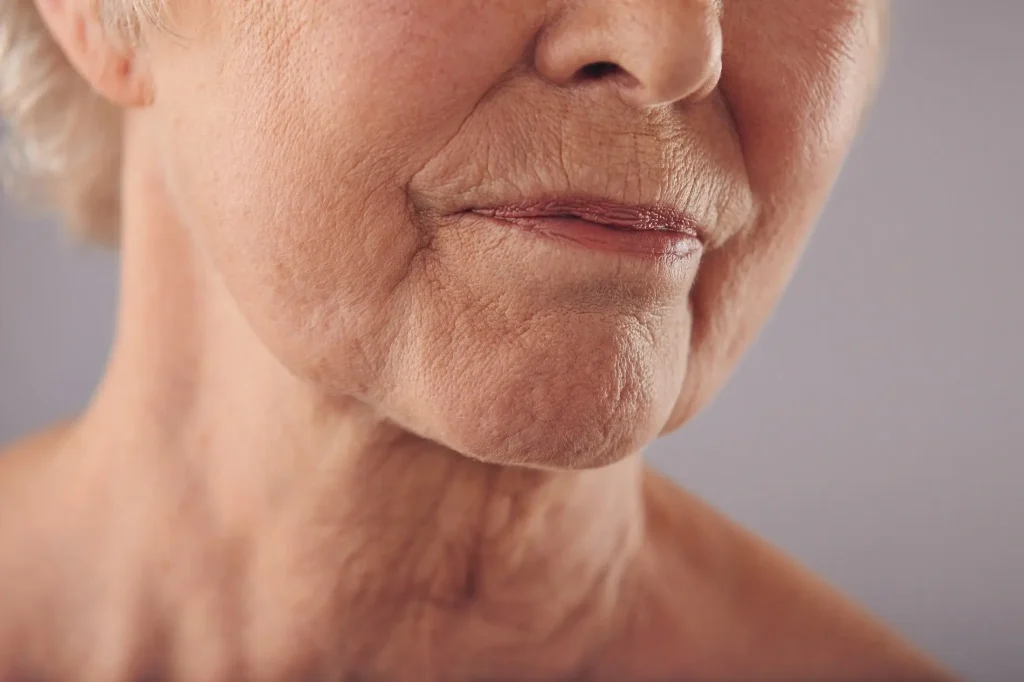
Marionette lines develop for a combination of reasons, and understanding them helps explain why different patients need different treatment approaches.
The first factor is volume loss. As we age, the fat pads beneath the skin gradually reduce in volume and shift position. This creates hollowness and descent in the lower face, which is part of what makes the mouth corners look heavier and more downturned over time.
The second factor is muscle activity. There is a muscle that pulls the corners of the mouth downward. In some people, this muscle is more active than average, and its constant downward pull on the mouth corner contributes to the formation and deepening of the marionette line. This is why, for some patients, treating the line with filler alone does not produce the best outcome: if the muscle is actively pulling against the result, an anti-wrinkle treatment that relaxes that pull can make a meaningful difference.
The third factor is skin quality. As collagen production slows with age, the skin loses its firmness and ability to hold its position. The lines become more visible partly because the skin can no longer smooth over the underlying movement and structure.
The pattern of these three factors varies between individuals. Some patients have predominantly volume-driven marionette lines; others have significant muscle pull; many have a degree of all three. That variation is what drives different treatment recommendations.
Dermal Filler for Marionette Lines
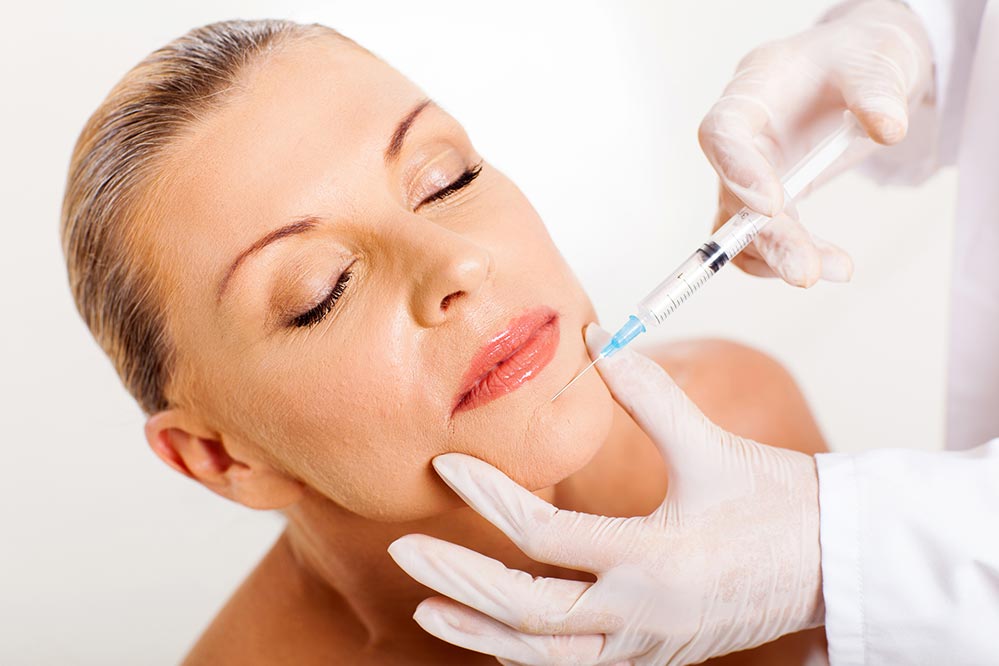
Dermal filler is the most common treatment for marionette lines and, for the majority of patients, it is the right starting point. Hyaluronic acid filler, placed precisely in the tissue around the corners of the mouth and along the lower face, restores the volume that has been lost and lifts the area gently so the marionette line softens from behind.
The aim is not to fill the crease directly like a trench. That approach tends to produce an overdone result. The technique I use is to work in the tissue surrounding the line, building support so the area lifts and the line becomes less pronounced in a way that looks natural and consistent with the rest of the face.
Filler results in this area typically last six to twelve months, depending on the product, the volume and individual factors. A four-week review is included, so we can assess the settled result together and make any small adjustments.
For full information on marionette lines filler, including what to expect at appointment and how longevity compares, see our dedicated marionette lines filler page.
Anti-Wrinkle Treatment for Marionette Lines
For some patients, an anti-wrinkle injection has a useful role to play alongside filler. The prescription medicine works by temporarily reducing the activity of the muscle that pulls the corners of the mouth downward. When that downward pull is reduced, the corners of the mouth sit in a more neutral or slightly upturned position, which can improve the marionette line effect and the overall appearance of the lower face at rest.
This treatment is not the first option for everyone. It works best where the muscle that pulls the corners of the mouth downward is particularly active, and where its downward pull is a significant contributor to the problem. Where volume loss is the main driver, filler will produce a more noticeable improvement.
When both factors are present, combining filler with an anti-wrinkle injection to the muscle that pulls the corners of the mouth downward often produces the best result: filler restores the volume and structure, while the anti-wrinkle element removes the active downward pull that would otherwise work against it. I discuss this combination at every relevant consultation, because the decision depends entirely on what is driving the marionette lines in your individual case.
Results from the anti-wrinkle element typically last two to four months. As with all prescription treatments, this is assessed and administered following a proper clinical consultation.
For more on the anti-wrinkle approach to marionette lines, see our marionette lines anti-wrinkle page.
Skin Boosters for Skin Quality
Skin boosters are a different kind of treatment from filler, though both use hyaluronic acid. Where filler adds volume and structure, a skin booster is a fluid, hydrating form of hyaluronic acid that is injected just under the skin surface to improve its quality, hydration and elasticity from within.
For marionette lines, a skin booster does not replace filler or anti-wrinkle treatment. It does not restore lost volume or relax a pulling muscle. What it can do is improve the quality and firmness of the skin in the area, which makes the overall result of the treatment picture look better and can help results hold for longer. For patients whose skin quality around the mouth and lower face has deteriorated, adding a skin booster course to the treatment plan can make a visible difference to the overall appearance.
Skin boosters are also useful as a standalone treatment for patients whose marionette lines are early and mild, and where a conservative, skin-quality approach is a proportionate starting point.
See our skin booster page for full information.
How I Decide at Consultation
There is no formula for marionette lines treatment. The right approach depends on the anatomy of your lower face: how much volume has been lost, how active the muscle that pulls the corners of the mouth downward is, what the quality of the skin is like and how deep the lines are.
My dental background means I assess the lower face with a working knowledge of the muscles, the bone and the soft tissue and how they interact. That assessment informs the treatment recommendation. I do not apply a fixed protocol: I look at your face, work out what is driving the problem and recommend accordingly.
For many patients, the recommendation is filler, sometimes in combination with an anti-wrinkle treatment. For others, a skin booster course is the right first step. For some, the honest answer at consultation is that the lines are too deep for these treatments to produce the result they want, and surgery is a more realistic option.
I would always rather tell you that clearly at consultation than take a fee for a treatment that will not give you what you came for.
Frequently Asked Questions: Treating Marionette Lines
Not Sure Which Treatment Is Right for You? Book a Complimentary Consultation
The most useful thing you can do if you are bothered by marionette lines is to come in and let me take a look. The consultation is complimentary and there is no obligation to proceed. I will assess your lower face properly, explain what is driving the lines and recommend the treatment or combination that is most likely to help in your specific case. If treatment is not the right answer, I will tell you that too.
About the author
Dr Sally Rayment is the principal clinician at Facial Aesthetics Centre in Haywards Heath. She has dental qualifications and over 10 years of clinical experience in facial aesthetics. Her dental background gives her a detailed knowledge of facial anatomy and lower-face structure, which she applies to every assessment and treatment recommendation.
GDC number 83684